Process
Flow
Our integrated machinery supports the entire ketchup manufacturing journey—from raw tomato processing to packaging—enabling businesses to produce a wide range of ketchup variants, including classic, sugar-free, organic, and spicy formulations tailored to regional tastes.
We specialize in customizable production lines that adapt to varying capacities, from small-scale local processors to large industrial facilities. Our solutions incorporate key technologies such as high-efficiency pulping, precision cooking, homogenization, and aseptic packaging, ensuring optimal consistency, flavor retention, and extended shelf life.
By leveraging robust food-grade stainless-steel equipment and smart control systems, we help you achieve operational excellence while minimizing energy consumption and waste. Whether you use fresh tomatoes or concentrates, our technology guarantees a smooth, stable texture and vibrant color that meet global consumer expectations. Trust us to deliver turnkey ketchup production systems that empower your growth in the competitive condiment market.
1. Raw Material Reception & Sorting
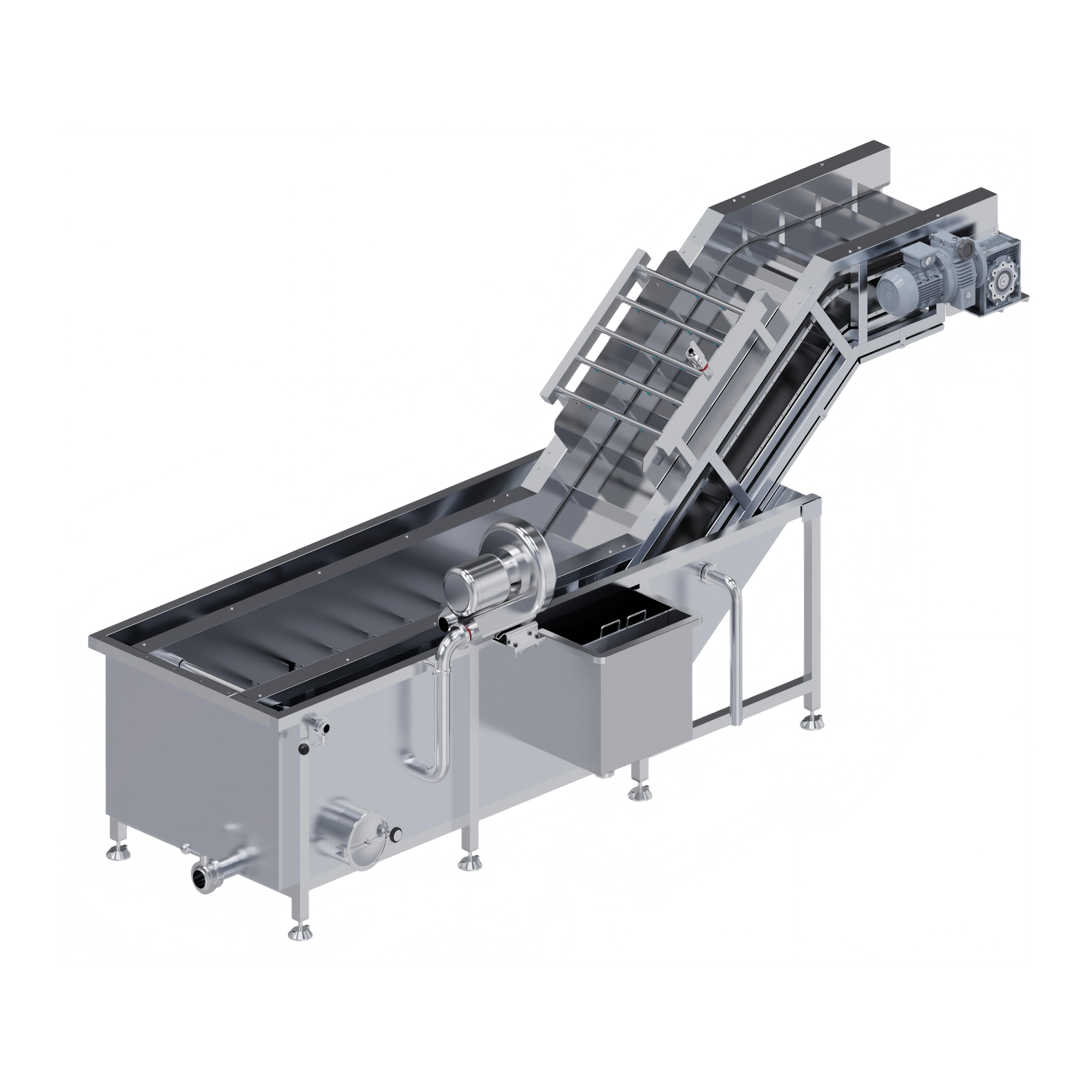
Fresh tomatoes are delivered, washed, and sorted to remove impurities, dirt, and defective fruits. Optical sorting systems ensure only high-quality tomatoes proceed to the next stage.
2. Crushing & Pulping
Tomatoes are crushed and passed through a pulping machine to separate skins and seeds from the pulp. This step ensures a smooth base for the ketchup.
3. Pre-Cooking & Concentration
The tomato pulp is heated to break down cell walls and concentrated to achieve the desired solids content (e.g., 12–30%), enhancing flavor and thickness.
4. Mixing & Flavoring
Ingredients like vinegar, sugar (or alternatives like stevia), salt, spices, and natural thickeners (e.g., pulse flours) are added to the pulp in mixing tanks. The blend is heated under controlled temperatures to develop the signature taste.
5. Homogenization & Finishing
The mixture is homogenized under high pressure (e.g., 20–25 MPa) to ensure uniform texture and prevent separation. This step is critical for achieving the thixotropic quality of ketchup, which allows easy pouring after shaking.
6. Pasteurization & Sterilization
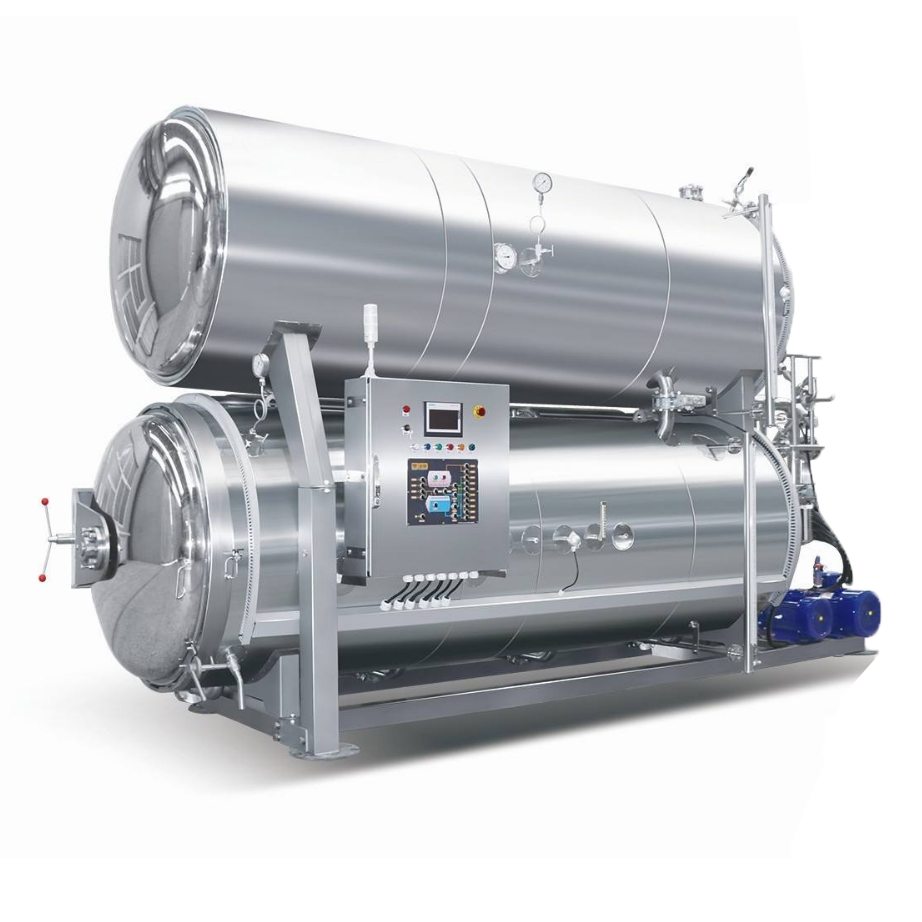
The ketchup is heated to 85–95°C (HTST) or higher (UHT) to eliminate microorganisms, ensuring safety and shelf stability. Vacuum cooking may be applied to preserve color and flavor.
7. Packaging & Cooling
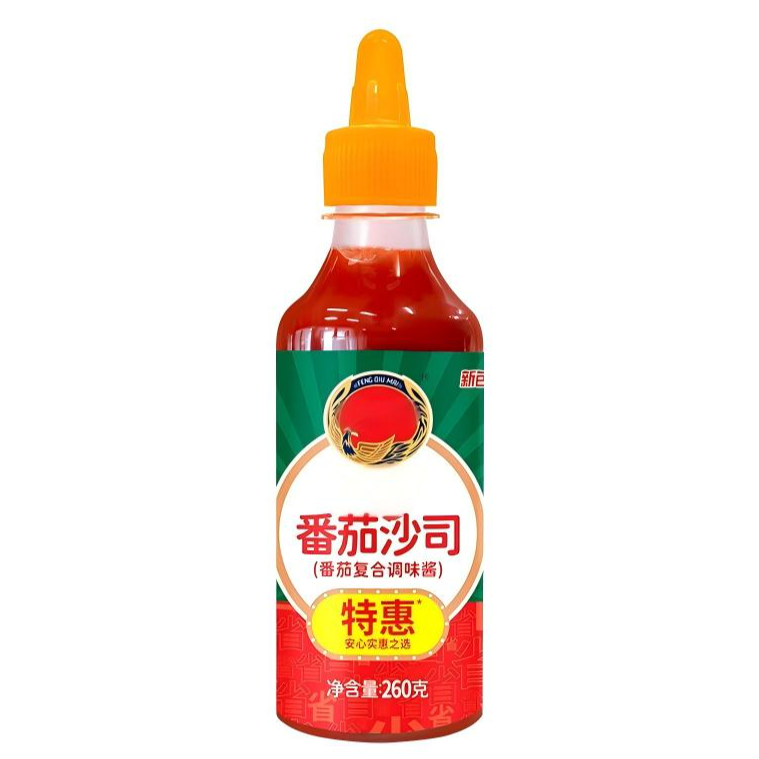
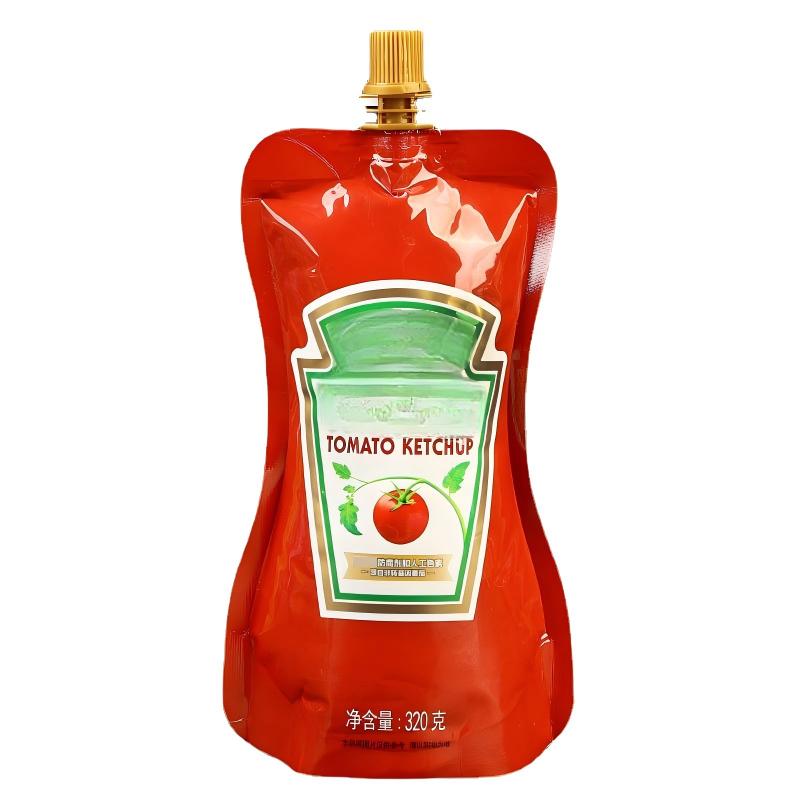
Sterilized ketchup is filled into bottles, pouches, or sachets using automated aseptic filling machines. Containers are sealed, labeled, and cooled before storage.
8. Quality Control & Storage
Each batch undergoes rigorous checks for pH, viscosity, color, and flavor. Finished products are stored in cool, dry conditions or refrigerated based on shelf-life requirements.
Related
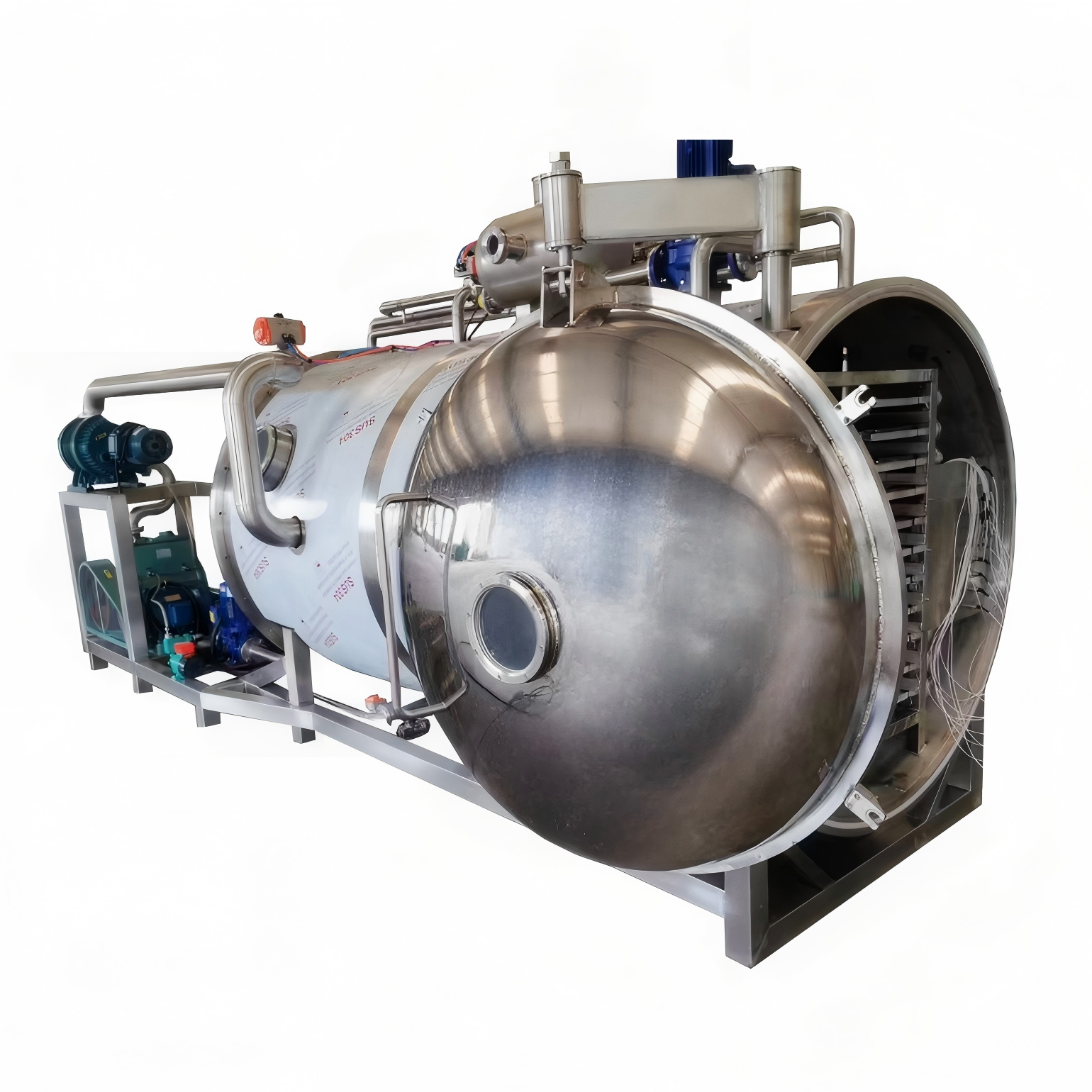
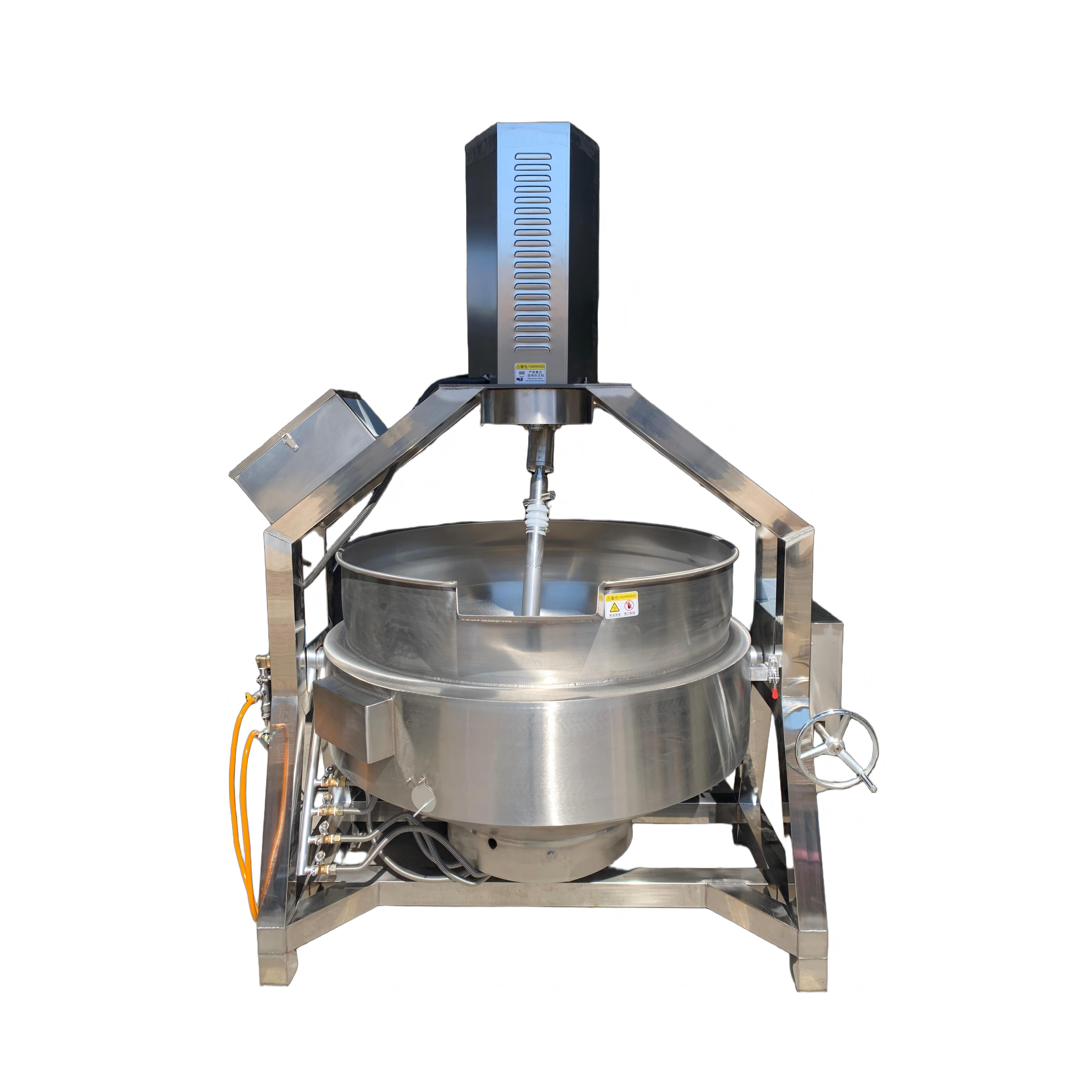
Machinery
Final
Product