Process
Flow
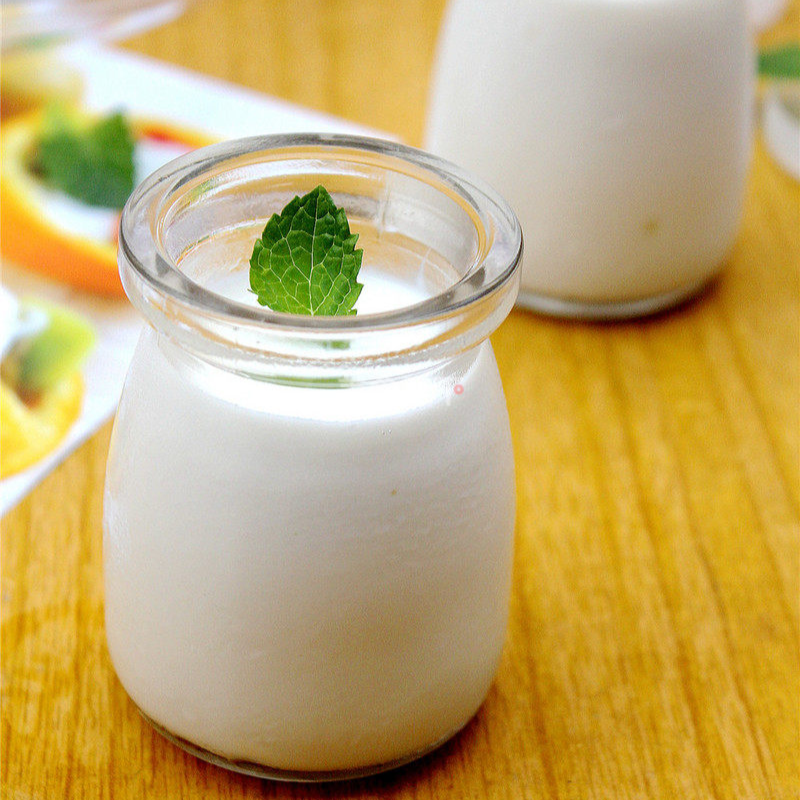
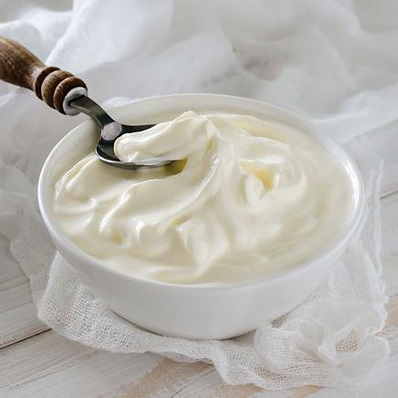
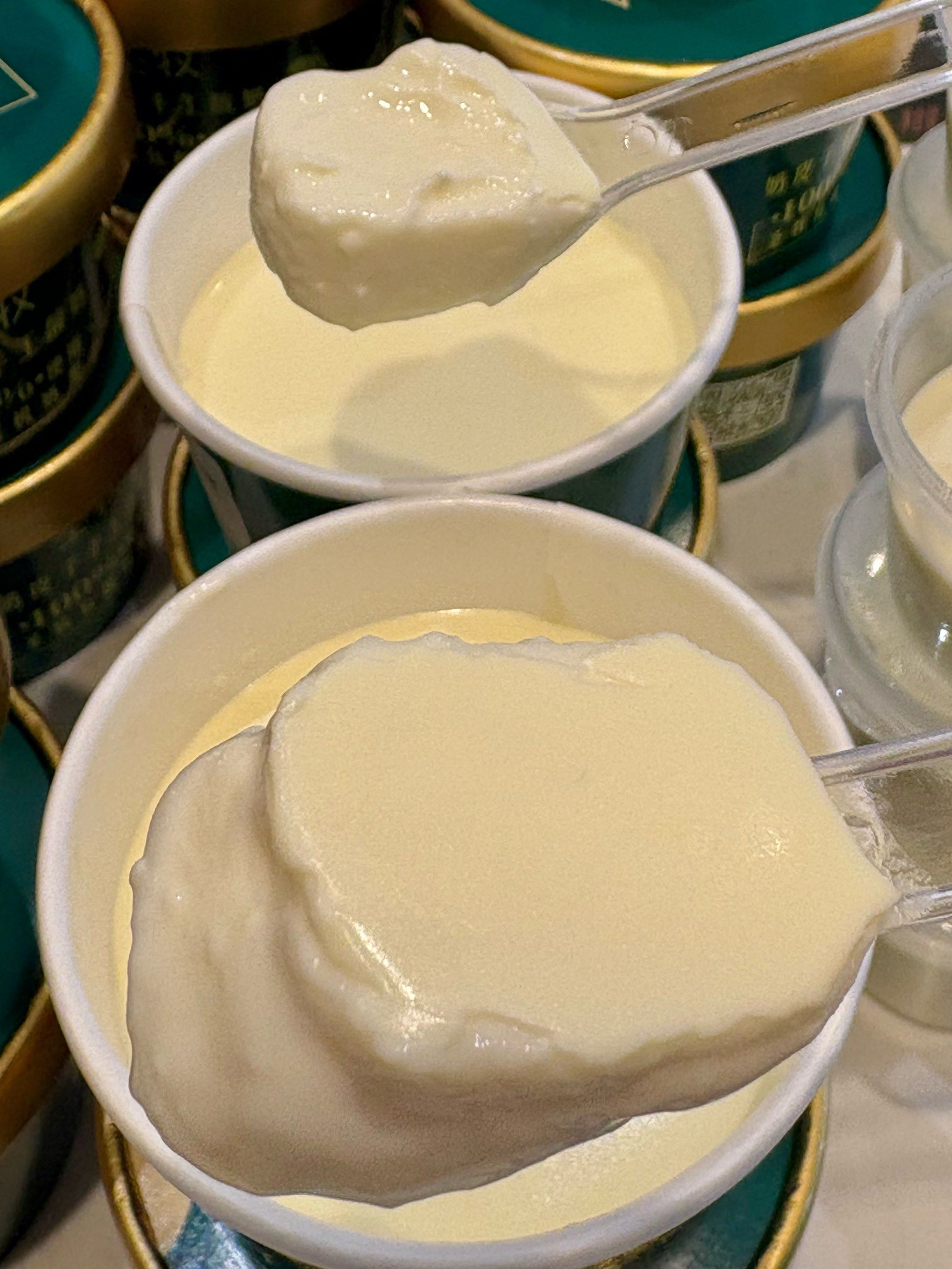
Our production lines are engineered for maximum flexibility, capable of processing a wide array of yogurt types, including regular, Greek-style, stirred, and drinkable yogurt. Whether you start with fresh milk or milk powder, our systems ensure optimal consistency, flavor, and texture.
We prioritize solutions that enhance your product's health profile, supporting the incorporation of live probiotics and enabling low-sugar or high-protein formulations to meet modern consumer trends. From pasteurization to fermentation and packaging, our technology guarantees hygiene, efficiency, and shelf-stable excellence, helping you build a trusted brand in your local market or for export.
Our standardized yet customizable process flow ensures every batch meets the highest quality and safety standards:
1. Raw Material Reception & Standardization
Fresh milk is cooled (to ~4°C) and filtered to remove impurities. Solids content is standardized, often with the addition of ingredients like sugar, to achieve the desired product baseline.
2. Preheating & Homogenization
The milk is preheated to approximately 45-55°C and then homogenized at high pressure (20-25 MPa). This process breaks down fat globules to create a uniform, smooth texture and prevent separation.
3. Pasteurization
The milk is heated to a specific temperature (e.g., 85°C for 10 minutes) to eliminate harmful pathogens and spoilage microorganisms, ensuring product safety and extending shelf life.
4. Cooling & Inoculation
After pasteurization, the milk is rapidly cooled to an ideal incubation temperature of 43-45°C. A specific starter culture blend (e.g., Streptococcus thermophilus and Lactobacillus bulgaricus) is then added.
5. Fermentation
The inoculated milk is maintained at the incubation temperature for 6-8 hours, allowing the bacteria to ferment lactose into lactic acid. This process continues until the target pH (typically ≤4.6) is reached, resulting in yogurt’s characteristic tangy flavor and thick gel.
6. Cooling & Flavoring
Fermentation is halted by quickly cooling the yogurt to around 15°C. At this stage, fruit purees, flavors, or colors can be added.
7. Packaging & Storage
The final yogurt is dispensed into sterile containers, sealed, and labeled. The finished product is then moved to cold storage (2-4°C) to maintain freshness and probiotic viability.
Related
Machinery
Final
Product